

Streetscape’s Steel Bin Is Your Best Bet Against Litterbugs
Littering has terrible effects on our natural environment and our ecosystems, so it is vital to ensure that all public spaces have sufficient bins to collect garbage and waste from pedestrians. Sustainability and environmentalism are of the utmost importance today, as the consequences of climate change are becoming tangible in extreme weather events such as floods, fires and droughts coupled with rising global temperatures. If you’re considering how to improve your local environment, read this article to find out how you can prevent the dangerous effects of littering by using a variety of eco-friendly tactics, including installing a steel bin in your local public space or neighbourhood.
The Damaging Effects of Litter
Littering is a result of intentional or unintentional waste disposal. Whether it be a small piece of plastic wrapping, a cigarette butt, a soda can, straws, disposable cups, metal debris, plastic bags or glass bottles, littering is a serious problem that is severely affecting our natural environments and ruining our city streets. Illegal waste dumping and littering is a grave issue that is evident all over South Africa, and it is only made worse by ineffective waste management systems, especially in areas where public services are not routinely or efficiently managed. Besides the unsightly visual displeasure of littered areas, the effects of littering are manifold for humans, wildlife and ecosystems.
Animal Endangerment
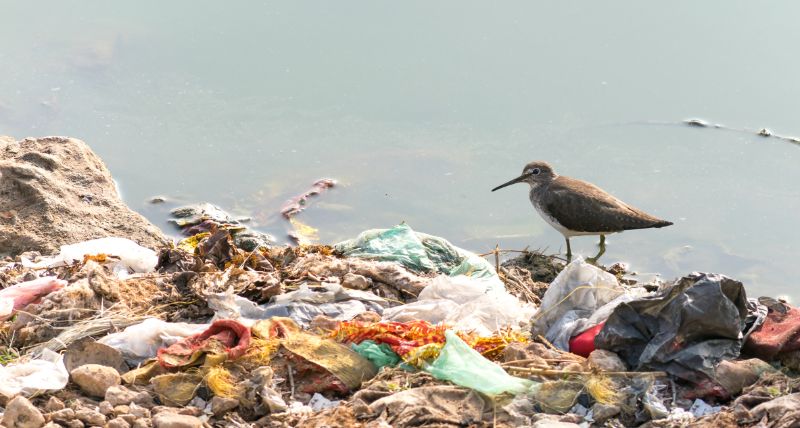
Littering – no matter how small the litter may be – threatens the wellbeing of both animals, humans and the environment. Many animals die after ingesting trash or becoming entrapped in litter, particularly marine animals who often mistake floating pieces of litter for food or seaweed. When animals swallow these pieces of litter, they face the risk of internal health problems such as tumours, liver problems and even death.
Many animals are victims of the effects of litter, and as a result, they face endangerment and extinction – this, in turn, disrupts the food chain and changes the ecosystem. Moreover, if humans interact with these poisoned animals, they can also at risk of experiencing chemical poisoning and other side effects. For example, fish that swim in contaminated water where litter and waste are dumped are exposed to toxic chemicals such as mercury. When humans catch and eat these creatures, they come into contact with chemical pollutants and other dioxins that may cause them harm.
Water Pollution
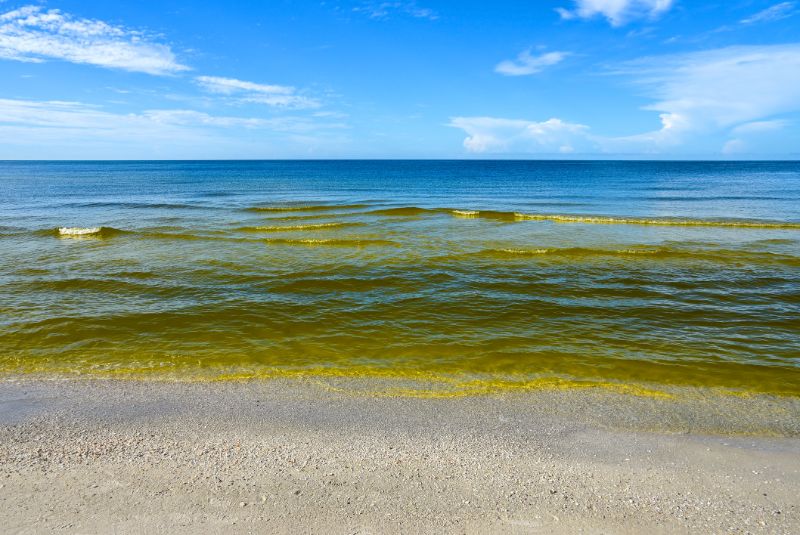
Climate change and human activities that contaminate water systems, such as littering or illegal waste dumping, are expected to be some of the main causes of harmful algal blooms. Harmful algal blooms occur when algae grows out of control to form colonies of algae on the top layer of ocean waters. Harmful algal blooms are dangerous to marine life as these blooms consume all of the available oxygen, consequently choking marine life and other important forms of vegetation in the marine ecosystem. Although algae are not usually toxic, algal blooms can create an excess of toxins that can be fatal for birdlife and marine life, while contaminating the water.
Between 95 000 and 250, 000 tonnes of waste enter Kwa-Zulu Natal’s oceans annually. This pollution not only kills animals but also contaminates scarce drinking water that is vital for all humans, animals and biomes to thrive. This pollution is a serious deterrent to tourists which South Africa’s economy depends on for gross domestic growth, and it also severely affects the fishing industry and the local people who depend on fishing as a source of income. Heavy rains push this plastic and litter back onto the shores, jeopardising local people and animals who come into contact with it.
Litter that is not properly disposed of is often carried into waterways by heavy rains, causing trash to pile up in sewer channels and drainpipes. Over time this trash begins to clog up the drainpipes, eventually causing waterways and sewage system pipes to burst. As a result, floods of raw sewage spread through cities and contaminate soil and drinking water. This poses huge threats to humans, who then face the threat of being exposed to microbial attacks and diseases like cholera and typhoid.
Soil Pollution
Hazardous waste, debris and litter have long-term effects on soil. Porous soil, gravel and sand are highly susceptible to the percolation of waste and leachate from garbage and hazardous materials. This causes the contamination of groundwater, thereby stunting the growth of vegetation and reducing the fertility of the land. This naturally causes devastating problems for agriculture and farming communities, as it reduces the amount of available land for farming and crop production.
The Spread of Disease
Large landfills encourage rats, mice and insects to breed and multiply. These insects and animals can spread disease. Exposed hazardous waste or contaminated rubbish can also spread disease to those humans who come into contact with it. Biohazardous waste could also contain pathogens and spread viruses.
Streetscape’s Steel Bin Is A Solution For Littering
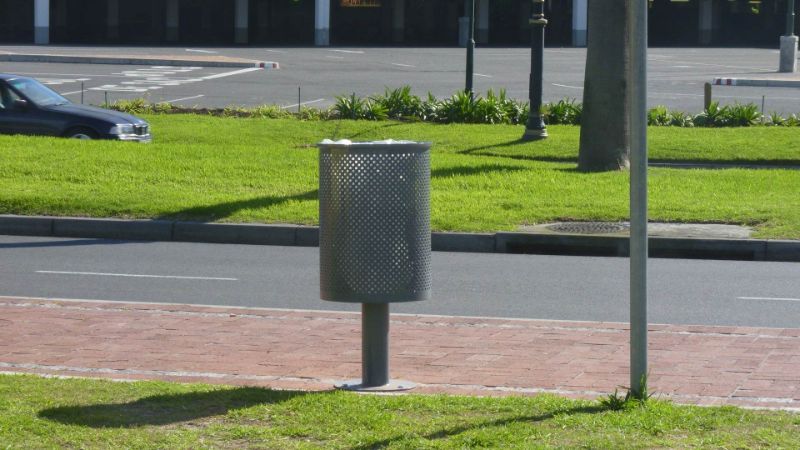
Clearly, human behaviour needs to be changed, and littering needs to be resisted. Sharing educational information about sustainability and environmentalism is an important way to prevent people from perpetuating the harmful behaviours that lead to pollution and overfilled landfills. Similarly, it is also important to install adequate waste facilities to prevent people from discarding their trash incorrectly. Otherwise, it’s likely that some lazy pedestrians will fail to act with ecological conservation in mind.
This is particularly dangerous considering that most litter items are not biodegradable, or they decompose at an incredibly slow rate. For example, polystyrene is a non-biodegradable man-made matter that takes up to 500 years to decompose in a landfill, plastic bags can take up to 1000 years to decompose in a landfill. Plastic bottles will also take more than 450 years to decompose compared to cans which take approximately 200 years. During that time, landfills overflow and the land underneath them becomes stricken with toxins and poisonous chemicals.
Simple Steps Towards Sustainability
The food system is inextricably linked, so changes in water, vegetation and wildlife also have an effect on humans. Every piece of waste that is improperly disposed of leaves a deep ecological scar on our planet so we must take the extra time to consider how our actions and behaviours have consequences on the environment. This is why it is important to discuss the value of recycling, upcycling and waste management. In our quest to prevent litter and climate change, we can enforce the following preventative measures.
Educate Yourself
Participate in educational forums that discuss the importance of thinking in an ecocentric way rather than in an anthropocentric way. Approach these conversations with an open mind and seek out the opinions of conservation experts. Plenty of resources can be found on the internet, and you can find more information from the following places:
- The International Panel on Climate Change
- The Food and Agricultural Organisation
- The Wildlife and Environment Society of South Africa
- The United Nations Environment Programme
Act Sustainably In Your Domestic Life
Everyone should be encouraged to practise conservational behaviours, such as taking shorter showers, investing in a composting bin, using water tanks and avoiding single-use plastics. Buying from local supermarkets, donating old clothing, and avoiding non-biodegradable materials will also help in the long term. Below is a list of deliverable tasks that you can enforce in your day-to-day life.
- Reuse shower water for garden irrigation. Simply place a bucket in your shower so that excess water catches in there. Save it and then use it to water your plants.
- Reuse plastic shopping bags. Single-use plastics are the most common pieces of litter. So avoid them by using fabric shopping bags or saving your plastic bags and taking them to the store with you.
- Keep all of your food peels aside while you cook. Collect them and keep them in an airtight container, then simply throw them into your composting bin and let them decompose. These disposed of bits and pieces are filled with nutrients, so they can be used as fertiliser or even animal feed at a later stage.
- Carpool with your friends and coworkers. This is a great way to avoid unnecessary carbon emissions. Keeping more cars off of the road is vital to prevent burning exhuast pipes from spreading air pollution.
- Always dispose of your non-biodegradable trash properly. Consider putting your plastics into eco-bricks at home. When in public spaces, locate and use a steel bin so that your waste can be properly disposed of by waste management professionals who can divert trash from ending up in unhygienic landfills.
- Join a cleanup or facilitate your own cleanup. This can be a great way to engage with like-minded individuals who are tired of neglected cityscapes and badly preserved natural environments. Engaging with your community is therefore a great way to incite collective action and social change.
Advocate For Better Climate Policies
Local government municipalities have a responsibility to provide public facilities such as toilets, sanitation areas, benches, bins, signage, and other infrastructure that can cater to taxpayers. It is therefore important to consider how the local government is enforcing effective waste management. If there are insufficient facilities, then lobbyists and environmental activists can advocate for better public services in the name of climate change resistance.
Putting political pressure on the government through campaigns, forums and petitions can be a great incentive for the municipality to enforce stricter preventative measures as well as punitive law enforcement. For example, governments can enforce heavy tariffs and fines on those who litter or illegally dump waste. They can also facilitate civic conversations that discuss the importance of fighting climate change, and call for public comments on policies that can mitigate damaging environmental practices.
4 Advantages of StreetScape’s Steel Bin
The steel bin is anti-corrosive. They do not become worn down by liquid and dirt as plastic does over time. This feature makes this steel bin particularly conducive to outdoor environments, as it does not rust and it is long-lasting.
The steel bin is made from durable materials. Since the bin is going to be a collection point for all sorts of bacteria, fungi, dirt and viruses, it is important that it is made from a material that can effectively contain hazardous waste. Steel is moisture-proof and very easy to clean. It is a very safe investment for long-term garbage collection usage.
The steel bin is reusable. Wooden and plastic bins often have to be replaced because they are vulnerable to damage, fire and water. Steel, however, is reusable and can be kept for many years. This product is thus environmentally friendly.
The steel bin is strong. To prevent pedestrians from interfering with the bins or stealing them, the steel bin is heavy and sturdy, making it difficult to intercept or remove. This is an important measure to take when implanting bins in a public space, where accidents and interceptions can happen.
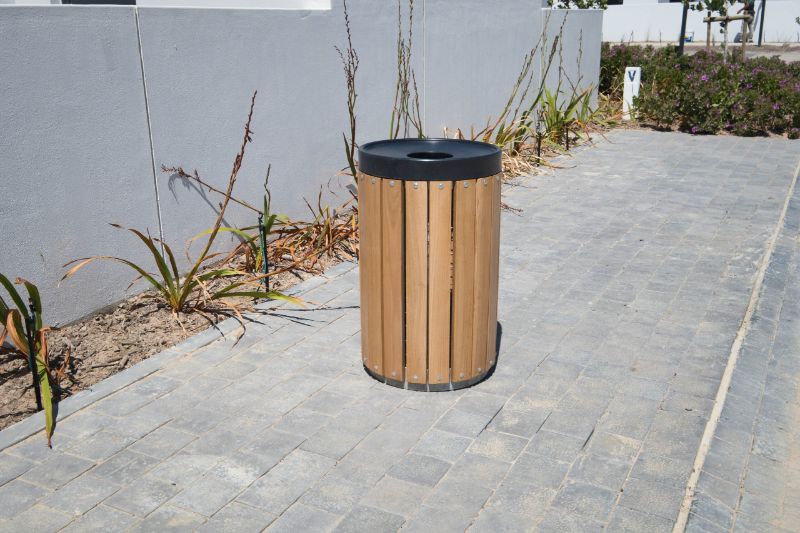
Streetscape Offers Any Kind Of Steel Bin For Your Unique Space
In order to prevent people from littering, you can install Streetscape’s steel bin in public and private spaces. Streetscape offers a variety of designs suited to both indoor and outdoor spaces. These sustainable structures are incredibly useful for counteracting destructive public littering habits. Used in combination with other conservationist tactics, the Streetscape steel bin is a cost-effective investment for effective waste management.