

Bollards have been crafted from a plethora of materials throughout the years. These protective devices have served multiple functions since their origin and are still utilized to this day. The aesthetic of the modern concrete bollard is a far cry from the original bollards made of tree trunks and cannon barrels, but the purpose of the product remains the same.
Concrete bollards specifically are built to offer protection and guidance to pedestrians. Here we have researched the history of concrete bollards and their multiple functions. If you’re inspired to acquire your own concrete bollards, Street Scape has your back. Whether you’re looking for a reliable bollard for your front lawn or want to draw attention to your business, Street Scape has the landscaping elements you need for all kinds of projects.
The History Of Concrete Bollards:
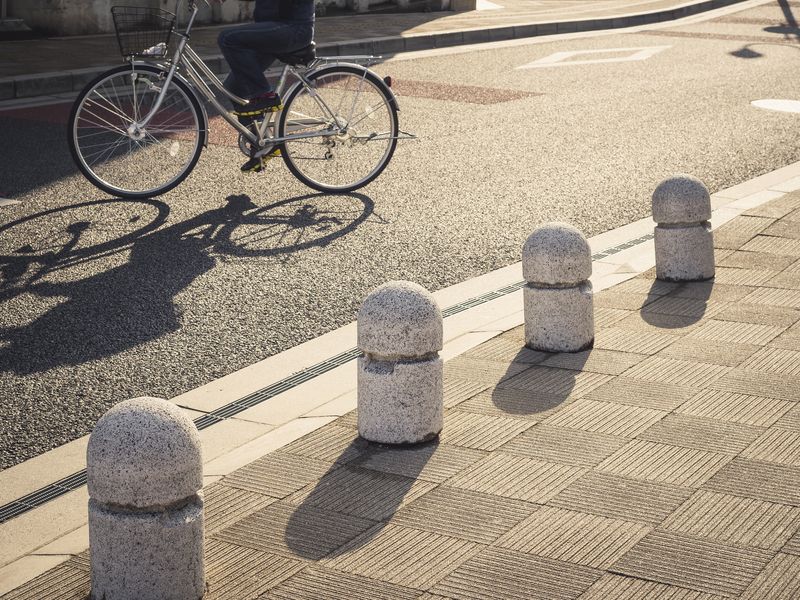
Bollards have been around for centuries, and for good reason. These sturdy constructions have served as barriers and protection in a variety of locations for pedestrians and vehicles alike. As bollards grew more popular in the 1990s, they have been modernized and skillfully manufactured to meet people’s tastes. Now they can be found dotted all over most cities and other highly populated areas. Take a look at our quick summary of the history of concrete bollards, from the origin of the word to modern renditions.
1)Origin of Bollards:
The origin of bollards in society can be traced all the way back to the late 1700s. Since then, bollards have formed an integral part of modern urban architecture, saying with cement what would be otherwise difficult to translate into words. Here’s a quick breakdown of the origin of bollards and how they became the aesthetically pleasing concrete structures we often see today.
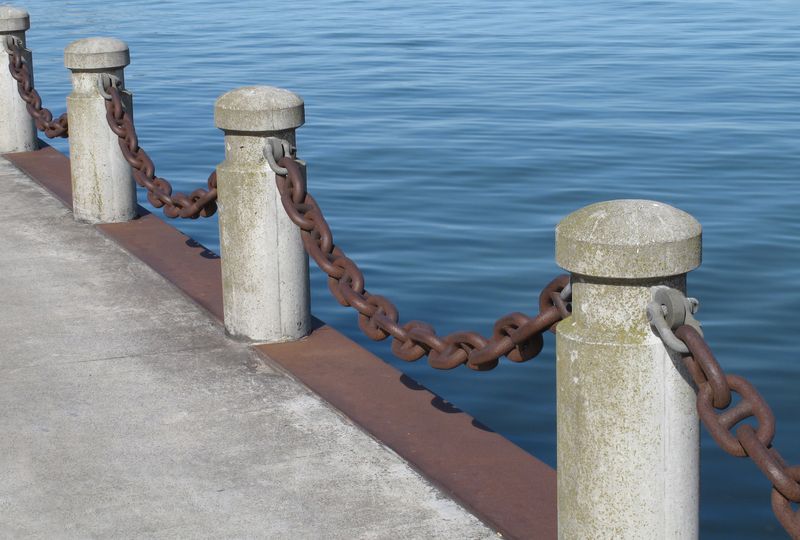
1.Origin Of The Word: The word ‘bollard’ has been traced back centuries, with some even speculating that it was first coined from the old Norse language. Researchers came to this conclusion because of the similarity of the word ‘bollard’ to the Norse word for ‘hard tree trunk’. Seeing as some of the first bollards were merely large tree stumps or rocks used as mooring points for boats and ships, this theory seems to make sense. These days, bollards are used less for docking boats and more for traffic control purposes.
2.The Beginning Of Bollards: As mentioned above, some of the first bollards were natural materials that people found around them. Large rocks, tree stumps, and trunks were often used in both docking bays and forging set paths through natural landscapes. During the 17th century, cannons were sometimes used as bollards for docking ships. The cannons were cut down to size and stuck into the ground. It was only in the 19th century that bollard manufacturing officially began, with many of these structures taking inspiration from the original cannon bollards. Some of these bollards featured a wider top to hold the rope required for docking.
3.From Ships To Urban Roads: Bollards for pedestrian use started with wooden posts placed throughout towns in England. The wooden bollards were there to make traffic navigation easier and to keep pedestrians out of the streets. As cars became more popular, more streets were built and traffic patterns evolved, bollards were used more frequently throughout towns and villages. Nowadays, concrete bollards are the go-to choice for cityscapes and sectioning off vehicle-free areas.
4.Concrete Bollards Today: Bollards have evolved since the first cannon-shaped creations. These days, concrete bollards are a popular favorite along with illuminated bollards that light up walkways after dark. Thanks to modern innovation and design, bollards have become a staple in citywide construction both for their aesthetic and practical attributes.
Modern bollards also vary in their durability depending on the specific purpose. Some are removable and used for specific functions and events whereas other concrete bollards are fasted to the ground and even strong enough to withstand vehicular impacts.
Today’s bollards are used for everything from sectioning off park areas to decorative devices used by creative modern architects. You too could acquire your own concrete bollard to fit your specific needs. With Street Scapes’ range of products, you’ll be able to decorate with ease.
2)Uses Throughout The Decades:
Concrete bollards and bollards made from other materials are used for a variety of purposes. From cityscapes to mountainous terrain, you’ll most likely be able to spot a few bollards littered throughout these landscapes. Here are some of the uses of this versatile structure and the advantages it has to offer.
1.On The Ships: The earliest use of bollards traces back to docking ports for ships and other vessels. These bollards would line the shores of makeshift harbors and eventually established harbors. Rope wound around these bollards would hold the ships in place.
2.Pedestrian Barrier: One of the most common uses for bollards is forming pedestrian barriers in places with heavy foot traffic. These bollards are usually made of cement or concrete and increase the walkability of certain areas exponentially. Bollards safeguard pedestrians from the street as well as keep cars off the sidewalk. With a clear walking path, pedestrians can steer clear of motorcar drivers and get to where they need to go safely.
3.Cycling Traffic: Concrete bollards are also installed in areas frequented by cyclists. Bike lanes and parking racks can be separated from cars and other pedestrians and bikers have a clear space to ride comfortably. Even when there are no separate bike paths available, bollards can protect bikers at busy intersections and merging traffic ways.
4.Military And Government Buildings: Bollards are often used in high-security environments like government buildings and military bases. These bollards reduce the risk of dangerous vehicles getting close enough to the buildings to do any kind of damage and allow security to keep a firm eye on traffic in the area.
5.University Campuses: Bollards can frequently be spotted around university and business blocks. These bollards form paths that connect the various buildings and can guide workers and students to where they need to go. Bollards make getting around campus much easier and help those navigating the area to avoid missing the right path. Bollards in this instance are used to designate walkways and people-only areas.
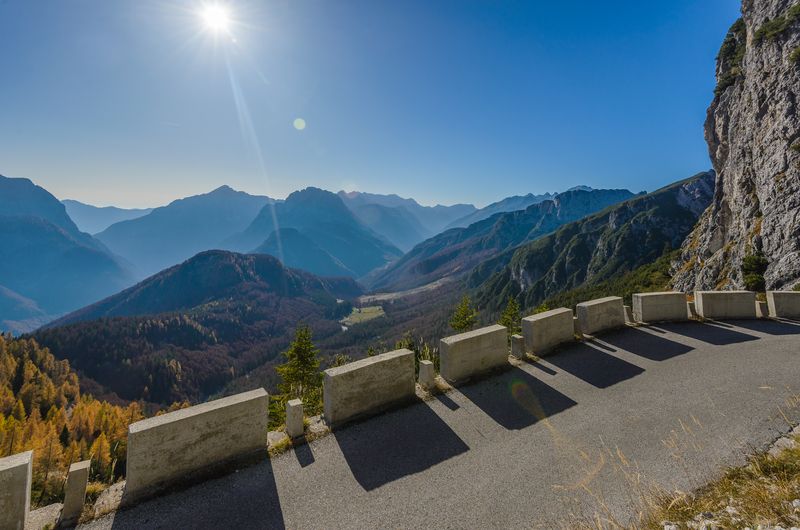
6.Sharp Curves And High-risk Areas: Bollards are there to protect drivers in high-risk areas. Bollards can alert and guide drivers around sharp curves, blind hills, and roads with steep dropoffs. Not only do these bollards serve as a guide, but also as an extra means of protection in case something goes wrong. Since most cement bollards can withstand the impact of a car, drivers will be protected from potentially dropping off steep slopes or tumbling into dangerous territory.
7.Adding To The Landscape: Aside from the practical attributes, bollards are also valued for their aesthetics. Many modern architects incorporate bollards into their designs as architectural accents that also serve a valuable purpose. Novelty bollard designs can both spruce up a property as well as provide security.
8.Parking Spots: Bollards can be used to block off certain areas to prevent people from parking in the wrong place. Everyone cuts corners once in a while and parks where they’re not supposed to, and bollards are there to prevent this. With street bollards, vehicles won’t be able to park on sidewalks or pedestrian areas either which is a good way to avoid unnecessary injuries.
9.Street-level Restaurants: Street-level restaurants make use of bollards to protect their customers sitting outside. Restaurants located next to the street are able to put up bollards to keep passing cars at a safe distance from where people are dining. Bars and other patio venues make use of this as well. Some of these bollards are connected by chains to prevent restaurant goers from walking out into the street accidentally while enjoying the outside area.
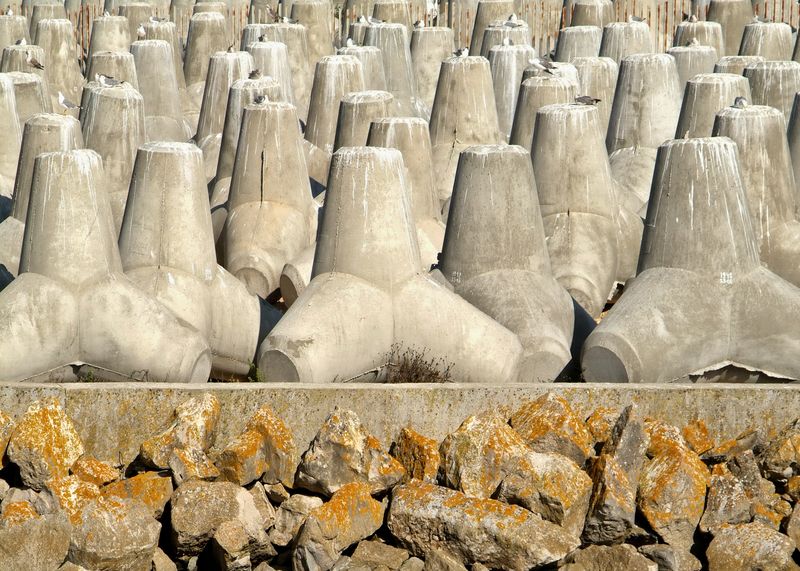
10.Taming Tides: Marine bollards look a little different from other standard designs. These bollards usually incorporate more arms and are located at sea level. These cement bollards serve to tame the waves on the shore to protect boats in the harbor. The design helps to break the flow of the water and is able to withstand large masses of water crashing down on them every day.
3)Landscape Compatability And Design:
Cement bollards are often incorporated in landscape designs. The versatile nature of the material makes it highly adaptable to a variety of different landscapes. The modern bollard can be customized with lightbulbs, coats of paint, and some extra details to make it blend perfectly into whatever environment it’s placed in. Some artists have constructed mosaic pieces over standard bollards to blend with the surrounding urban environments. Here are some notable shapes and designs favored by architects and construction workers.
1.Cylindrical: The standard cylindrical bollard is one of the most commonly used designs. Valued for its simplicity and ability to blend seamlessly into any urban environment, the standard cylindrical cement bollard is the most widely recognized amongst landscapers. These bollards are usually balanced flat on ground level or sometimes cemented into the ground depending on the location.
2.Tapered: Tapered bollards give off a sleek, modernized appearance. These designs are often used more for aesthetic purposes than anything else and are able to add depth to a landscape. The tapered design has a wider base and smaller points. This is sometimes inverted to create a more unusual and unique appearance.
3.Angled Edges: Bollards with angled edges are usually positioned as either squares or diamond shapes and can give any parking space or walkway a unique touch. These types of bollards can also be fitted together to form a gate of sorts if needed. They can also be placed horizontally to block off parking spaces and other wider areas.
4.Illuminated Bollards: Bollards with globes attached can serve both as useful nightlights for dark walkways and can also point out restricted areas via coloured lighting. Lighting features can be built directly into the bollards or simply situated on top. Either way, illuminated bollards give off a pleasant atmosphere and serve a functional purpose.
Get Your Own Concrete Bollards With Street Scapes:
Now that you’re inspired to get some of your own cement bollards, head over to the experts at Street Scapes to get the right Products. Street Scapes is a reliable supplier of landscaping elements to help make urban spaces more inviting and visually pleasing. Perfect for urban projects of any kind, you can’t go wrong with Street Scapes’ trusty supplies. Street Scapes is a South African company and a leading supplier of bins, bollards, and a whole manor of useful streetscaping elements. With country-wide delivery services, Street Scapes is able to provide functional landscaping elements all over South Africa. Don’t hesitate to get in touch and start accessorizing today!