

Encountering litter in busy city centres, on the beach, alongside roads, and in other public areas is a common occurrence in South Africa. South Africa is not alone when it comes to facing the problem of litter as littering is a prevalent act across the world. Apart from litter being unsightly, polluting, and unhygienic, there are numerous other horrifying facts about litter that may come as a surprise to you. In this guide, we outline 7 shocking facts about the negative impact of litter. To combat the impacts of litter, we have highlighted three easy ways to prevent litter in your area. Reduce the impact of litter in South Africa with a Street Scape steel bin.
7 Shocking Facts About Litter:
Everyone can agree that public areas covered in litter are unappealing to look at, brings down the overall value of the area, and is a safety hazard to animals and people. Most people are also aware of the pollution that stems from degrading litter that pushes toxins into the soil and litter that ends up polluting rivers and oceans. In addition to these major problems caused by litter, we have highlighted 7 shocking facts about litter that further demonstrate the negative impacts of litter.
1) Litter is Expensive:
Litter in itself is worthless waste, but the piles of invaluable takeaway cups, plastic containers, and cardboard boxes have a major price tag attached. Across the world, an estimated $11.5 billion (which is a whopping R188 915 100) is spent on cleaning up litter. The small and seemingly insignificant act of dropping your waste can accumulate into a hugely expensive problem for countries. This amount of money could be far better spent across the world on other important factors, such as healthcare or education.
2) Fast Food Packaging and Cigarette Butts are Top Litter Contributors:
When you think of piles of litter in a city street or along a highway, you can picture dirty mounds of packaging, glass bottles, and plastic packets. While these items do contribute to the overall litter, the highest culprits of litter across the world are fast food packaging and cigarette butts. These items are the most widely found in litter due to the nature of how these items are used. People who smoke will commonly flick their cigarette butt on the floor instead of discarding it in an ashtray and people eating takeaway food are generally on-the-go meaning they do not have the time to stop and find a bin.
3) Car Crashes:
The majority of people who litter are doing so when they are driving their car. They do not want to have sticky food containers on their car seats or a Coke bottle rolling around the floor, so they simply open their window and chuck out the trash. This is why there is so much more litter along roadsides. Apart from the unsightliness of litter along the road, this increase in litter comes with a more pressing problem.
Litter can easily lead to car crashes when discarded next to busy roads. Larger litter items like cardboard boxes or packets can be blown into windshields and block the driver’s sight causing them to collide with another car or drivers may swerve into another vehicle to avoid hitting litter on the road. Litter alongside roads then places drivers under threat of vehicle damage, injury, or death.

4) Littering is Intentional:
An American study in 2009 highlighted the disturbing fact that littering is an intentional act. When someone drops their empty food container or cash receipt on the floor and walks away, they are littering with the actual understanding that they are deliberately leaving behind their waste. The rationalisation for this intentional act is that someone else, such as the municipality or city cleaners, will pick up and correctly discard the waste item for them. The intentionality behind littering highlights it as a clear problem that there is not enough education across the world around the negative economic, social, and environmental impacts of littering.
5) Littering Can Lead to Larger Problems:
Littering is in itself a major problem, but the problems do not stop at the health and safety hazards. According to James Wilson and George Kelling’s Broken Windows Theory, a theory in criminology that states that any noticeable signs of crime, anti-social behaviour, or disorder in an area will then ultimately lead to an increase in more serious crimes in the area, littering can be a catalyst for large social issues in an area.
Littering is labelled as anti-social behaviour in many countries, including South Africa. When people in an area simply discard their waste inappropriately and the litter is not actively cleaned-up, the message is clear that this area is not valued or cared for. The small act of littering can quickly spiral into people acting in further socially inappropriate ways, increasing the degradation of the area and escalating the serious crime in the space.
6) Mosquito Breeding Grounds:
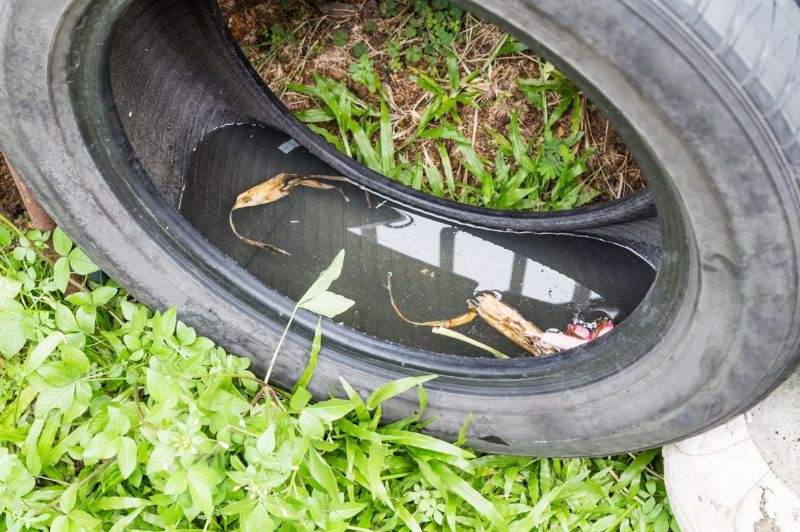
Piles of litter create the perfect containers for trapping rainwater and this stagnant water then becomes the perfect breeding grounds for mosquitos, who lay their eggs in water. The eggs that hatch then turn into larvae that then mature into flying mosquitos. Apart from the annoyance of dealing with consistent mosquito itchy bites, an increase in mosquitos in an area poses a larger threat to the people surrounding the water-filled litter piles.
Malaria, a parasitic disease that results in potentially life-threatening fevers and sweating, is mosquito-borne. Malaria is a prevalent problem across the world and South Africa has highlighted malaria as a national health problem. The increase in litter in an area, therefore, increases the risk of people being infected by malaria-carrying mosquitos, placing people’s lives under threat, and placing strain on the South African healthcare system.
7) Fire Hazards:
Piles of litter in public areas and alongside roads are a major fire hazard. Wildfires are becoming an increasingly prevalent problem in South Africa and the piles of litter found in public areas and densely vegetated areas are only adding fuel to the fire. Most litter is comprised of highly flammable materials which easily become uncontrollable fires when ignited. When fires in littered public areas become uncontrolled, the damage to property and the threat to life becomes an even larger problem to deal with.
How to Prevent Litter in Your Area:
After the draw-dropping facts about the expense of litter, the potential health and safety risks, and the larger social problems that litter can lead to, it is understandable if you are ready to take action against the problem of litter in your area. Just as littering is a small anti-social behaviour that can lead to larger problems, small positive actions can also lead to major impacts on the overall litter in the area. We have highlighted three easy ways to reduce the litter in your area and help contribute to the overall reduction of litter.
1) Throw it Away:
Litter is the intentional dropping of waste products, but most of the time this act is done simply because the person cannot find a bin or reaching the bin requires additional effort. To combat this, you can assist your area by making bins more accessible. By increasing the number of bins along a bustling street, in a public park, or outside shopping centres, people will be more inclined to throw their waste away rather than just dropping it on the floor and contributing to the litter problem.
2) Educate Those Around You:
One of the best ways to reduce littering in your area is to create awareness of the social, economic, and environmental impacts of littering. When people are educated about the negative impacts, it will make them think twice about flicking their cigarette butt out the window or dropping their takeaway food box on the side of the road. Education can be done in the form of talking at schools, hosting informative events in your neighbourhood, or simply sending some factual information on your local WhatsApp group about the impacts of litter.
3) Litter Clean-up Projects:
Tackle the litter problem head-on by initiating a litter clean-up project in your area. Invite people to join at a set time, date, and area and explain that the goal is to pick up all the litter in the space. People who join the litter clean-up project will feel like they are taking positive action toward the litter problem and those not participating will become aware that litter will not be tolerated in this area. With consistency, the litter clean-up project should ultimately reduce people’s tendency to litter in the area and reduce the problem overall.

Prevent Litter with a Street Scape Steel Bin:
One of the easiest ways to combat litter in a public area is to increase the accessibility to bins. Street Scape is a manufacturer of steel bins that are the perfect solution to a litter problem in an area. The Street Scape steel bin is designed to be durable, affordable, and aesthetic, ensuring that it has a long-lasting positive effect on litter in an area.
The Street Scape steel bin is made from stainless steel. Stainless steel is resistant to corrosion and tarnishing, is highly durable, and is easy to keep clean. Our stainless steel bin will ensure that once you invest in our steel bin, your area will have easy accessibility to bins for a lifetime.
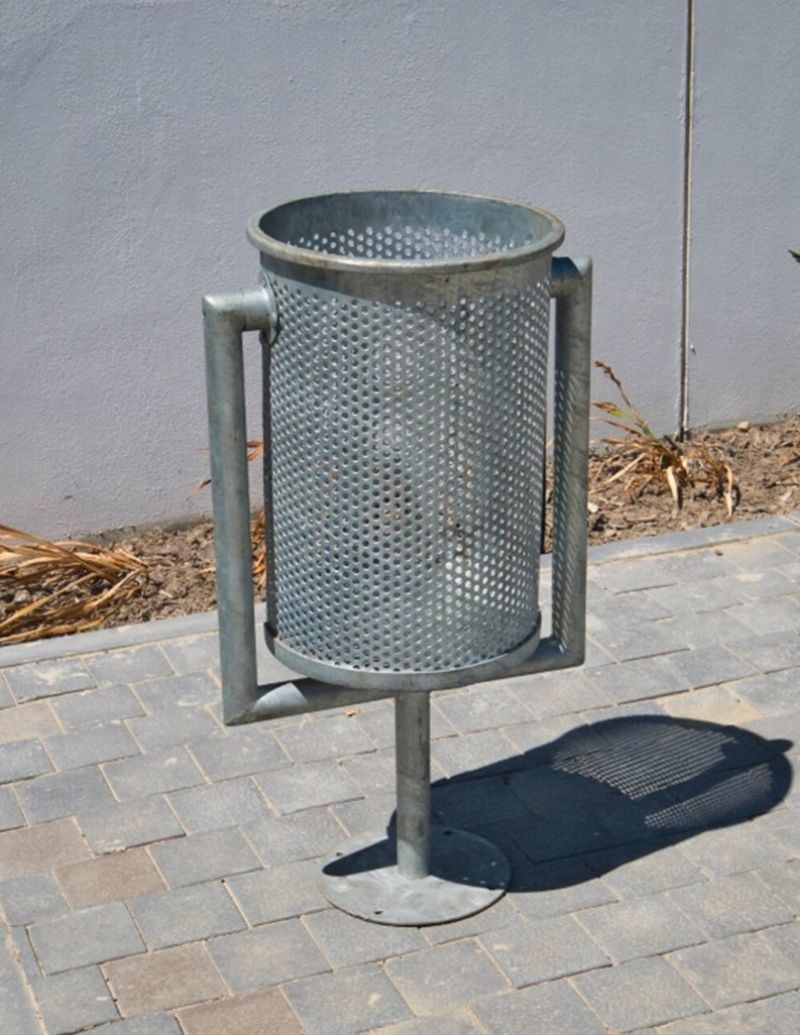
Another benefit to using stainless steel for our steel bin is the workability of this metal. This allows us to create a steel bin with a variety of designs. You can choose between the Perforated Pedestal Steel Bin, the Square Time Slatted Steel Bin, the Baltimore with Canopy Steel Bin, or any of our other steel bin styles. You can effortlessly find a steel bin from our diverse collection that will be an attractive and functional addition to any public area.
At Street Scape, we strive to make public areas more practical and beautiful. We understand the negative impacts that litter can have on a space, which is why we offer an affordable steel bin. Keeping your area litter-free does not need to break the budget with a Street Scape steel bin.
About Street Scape:
Street Scape is a proudly South African manufacturer of landscaping elements. From steel and concrete bins to bollards to planters to aggregate pavers, we produce a wide range of landscaping elements. Street Scape is your complete supplier when you are looking for landscaping elements to make a space more practical and beautiful.
Street Scape is comprised of a passionate and experienced manufacturing team. Our team is dedicated to providing you with high-quality and affordable landscaping elements. With Street Scape, your urban area upgrades are our top priority and we will always strive to provide you with durable and aesthetic products combined with a personalised service.
Prevent the impacts of litter by placing an affordable and durable Street Scape steel bin in public spaces.